
Berseem (Egyptian clover) Scientific name: Trifolium alexandrinum Rank: Species Higher Classification Clover Lucerne alfalfa Scientific Name: Medicago sativa Rank: Species Kingdom: Plantae Jai (Oat) Scientific Name: Avena sativa Family: Poaceae Kingdom: Plantae Pearl millet Scientific Name: Pennisetum glaucum Rank: Species Higher Clissification: Fountaingrasses Jau (barley) Scientific Name: Hordeum vulgare Higher Classification: Hordeum Rank: Species Jowar (Sorghum) Scientific Name: …
Category Archives: Uncategorized
STEPS IN THE DEVELOPMENT OF FOOD PRODUCTS

Different food products available in markets cames as a result of a careful process of designing and developing products with the goals to fulfill the demand of consumer’s needs. This process of product developments which is one of the important jobs that food scientist do. Steps involved in food product development are: Ideation Prototype creation …
Continue reading “STEPS IN THE DEVELOPMENT OF FOOD PRODUCTS”
IMPACTS OF CLIMATE CHANGE ON PLANT GROWTH AND AGRICULTURRAL SYSTEMS
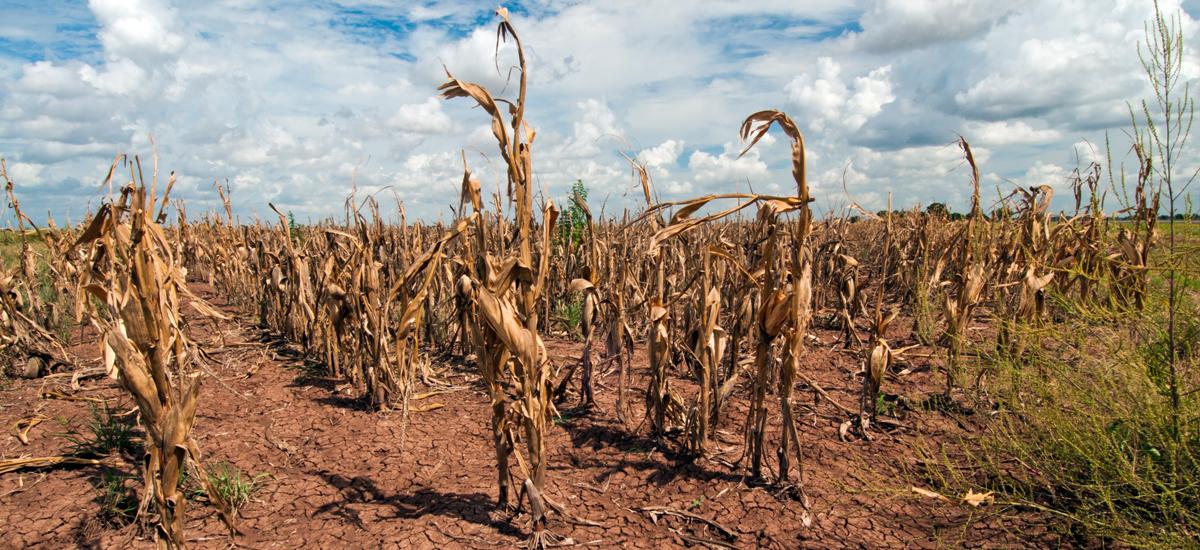
The increasing percentage of carbon dioxide along with drought and increasing temperature is impacting the growth and development of plants, and particularly agricultue system. The Greenhouse effect and Climatic extremes Introduction Concentrations of carbon dioxide (CO2) in the atmosphere have increased from pre-industrial levels of about 270 μmol mol−1 to current concentrations of 360 μmol mol−1. …
Continue reading “IMPACTS OF CLIMATE CHANGE ON PLANT GROWTH AND AGRICULTURRAL SYSTEMS”
Biofuel Production from Corn (Zea mays)

Corn (Zea mays) is a popular feedstock for ethanol production in the United States due to its abundance and relatively ease transition to ethanol. Corn and other high starch grains have been converted into ethanol for thousands of years. However, in the past century its uses as a fuel greatly expanded. Steps of conversion includes grinding, cooking with enzymes, fermentation …
PRE AND POST HARVEST LOSSES IN WHEAT AND ITS SOLUTIONS:
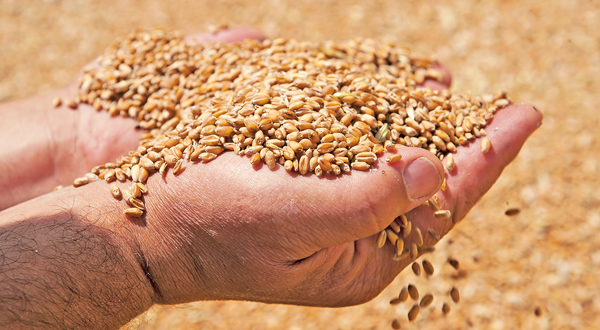
Wheat crop is damaged by a large number of insects in the standing in the field or in post harvest applications like harvesting, thresshing and storring etc. To overcome the food security problem this loss need to be minimize with solutions.
Why Climate is Changing? Reasons for Climate Change
Natural Natural Variability (Tectonic motion, Albedo effect, Solar Activity (1360 W/m2 : it varies a little) Volcanic Activity (Heat, Aerosols: S (+ve albedo), black carbon, mineral dust(-ve albedo) Land (Movement of continents, million years) Oceans (Carry huge amount of heat and circulate throughout the globe from equator to high latitudes) Anthropogenic Population expansion Urbanization Land …
Continue reading “Why Climate is Changing? Reasons for Climate Change”
January 2016 Was the Most Abnormally Warm Month Ever Recorded, NASA Says

Hottest January On Record Meteorologist Danielle Banks discusses how a NASA study revealed that January 2016 is the hottest January on record. January 2016 was not only Earth’s warmest January on record, but also featured the largest warm departure from average for any month, according to two separate analyses released this week. The first month …
Continue reading “January 2016 Was the Most Abnormally Warm Month Ever Recorded, NASA Says”
Climate Change and Green House gases

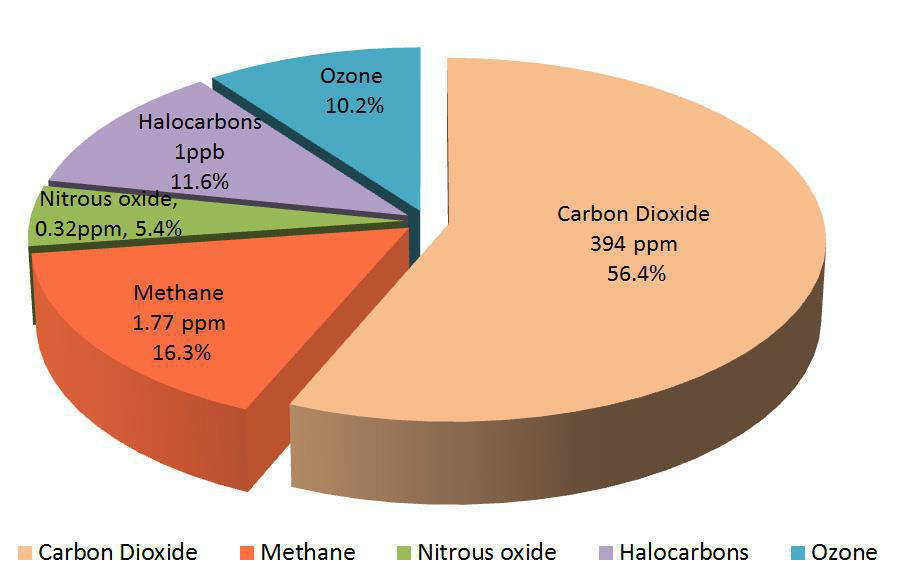
Change in steady state temperature of earth by the presence of atmosphere containing greenhouse gases (CO2, Methane, Nitrous oxide, Ozone, halocarbons (CFC + Hydro CFC), Water vapours/ clouds) that absorb radiation. Any systematic change in the long-term statistics of climate elements sustained over several decades or longer (The American Meteorological Society) Thus when climate for …
Weather and Climate

Weather: The actual state of the atmosphere at a particular time. We refer to weather when we say that the low and high temperature on 10 June 2015 at the University of Agriculture Peshawar were 22oC and 40oC, respectively, and there was no rain Climate: The weather condition averaged over a longer period of time usually …
To develop understanding about crop production under changing climate

Climate and agriculture; Climate variability and change, past, present and future scenario; Impact of climate change in temperate, humid, sub-humid, semi-arid and arid regions; Impact of climate change on vegetation (C3 & C4), crops, pests, livestock and natural resources; Strategies for managing climate change vulnerability (Adaptation & Mitigation)
 Agriculture